Lagos is Africa's most populous city — and one of the most misunderstood. Depending on who you ask, it's either impossibly expensive or shockingly cheap. The truth is both, depending entirely on where you live and how you live. A single person can live comfortably on ₦350,000–₦600,000/month in a mid-range neighbourhood, or spend over ₦1.5M/month on Victoria Island. This guide gives you real 2026 figures for every major expense category.
The USD exchange rate as of early 2026 sits around ₦1,580–₦1,650/$1.

Lagos costs depend entirely on which version of the city you choose to inhabit.
In This Article
1. Rent in Lagos by Neighbourhood
| Area | Studio / 1-Bed | 2-Bed Apartment | 3-Bed Apartment |
|---|---|---|---|
| Yaba / Surulere | ₦150,000–₦280,000 | ₦280,000–₦450,000 | ₦450,000–₦650,000 |
| Lekki Phase 1 | ₦350,000–₦600,000 | ₦600,000–₦950,000 | ₦900,000–₦1.4M |
| Victoria Island | ₦600,000–₦1.2M | ₦1.2M–₦2M | ₦2M–₦4M+ |
| Ikoyi | ₦800,000–₦1.5M | ₦1.5M–₦3M | ₦3M–₦6M+ |
| Ikeja / Maryland | ₦180,000–₦320,000 | ₦320,000–₦550,000 | ₦520,000–₦800,000 |
| Ajah / Sangotedo | ₦150,000–₦250,000 | ₦250,000–₦420,000 | ₦400,000–₦650,000 |
Lagos Rent Is Usually Paid Upfront
Lagos landlords typically demand 1–2 years rent in advance, plus a separate caution deposit and agency fees. Budget for this lump sum when planning your move. Many newer apartments in Lekki and Ikoyi are shifting to monthly payment models, but it's still not the norm.
2. Food & Eating Out
Eating Local (The Recommended Way)
Lagos has a thriving street food and local restaurant culture. If you eat where Lagosians eat, your food budget stays very manageable.
- Plate of jollof rice + protein at a buka (local canteen): ₦1,200–₦2,500
- Pepper soup at a roadside spot: ₦1,500–₦3,000
- Suya (beef skewers): ₦2,000–₦5,000 per wrap
- Agege bread + akara (bean cakes) breakfast: ₦400–₦800
- Noodles + egg from a roadside vendor: ₦600–₦1,200
Mid-Range Restaurants
- Casual sit-down restaurant (Lekki, Ikeja): ₦4,000–₦12,000/person
- Coffee at an upscale café (VI, Lekki): ₦2,000–₦5,000
- Fast food (KFC, Chicken Republic): ₦3,500–₦7,000
- Monthly groceries (local market, home cooking): ₦35,000–₦70,000
- Monthly groceries (supermarket mix): ₦70,000–₦140,000
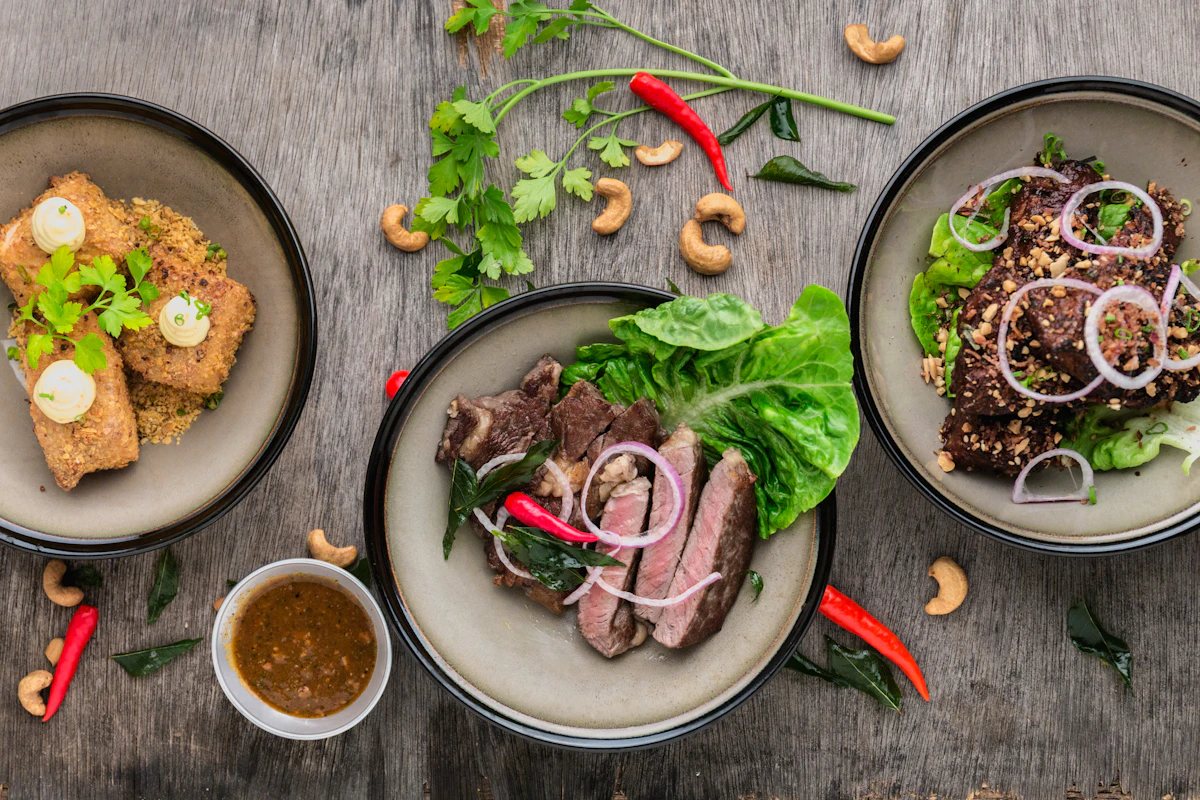
Lagos street food is among the best value in any major African city — eating local is both cheaper and better.
3. Transport in Lagos
- BRT bus (cross-city route): ₦200–₦600
- Danfo (yellow bus, short distance): ₦100–₦300
- Bolt/Uber (short trip, within area): ₦1,500–₦4,000
- Bolt/Uber (Island to Mainland): ₦4,000–₦10,000
- Okada (motorcycle taxi, short): ₦300–₦800
- Monthly transport budget (moderate use): ₦60,000–₦120,000
- Monthly fuel (own car): ₦80,000–₦180,000
Transport reality: Lagos traffic is legendary. Your transport costs depend less on distance and more on which side of the city you're on. Living and working on the same side (Island or Mainland) saves enormous amounts of time and money.
4. Utilities & Generator
- Generator fuel (monthly, moderate use): ₦50,000–₦150,000
- Estate generator levy (if applicable): ₦20,000–₦60,000/month
- Home fibre internet (Spectranet, etc.): ₦18,000–₦35,000/month
- Mobile data: ₦5,000–₦10,000/month
- Electricity (PHCN, when available): ₦5,000–₦15,000/month estimate
The Generator Cost Is Non-Negotiable
Power supply in Lagos is unreliable across almost all areas. Generator fuel or estate levies add ₦50,000–₦150,000/month to most budgets. This is the hidden cost most guides fail to mention prominently enough.
5. Monthly Budget Totals
| Budget Tier | Monthly Cost | Lifestyle |
|---|---|---|
| Budget / Survival | ₦180,000–₦280,000 | Room on Mainland, local food, buses |
| Comfortable Single | ₦350,000–₦600,000 | 1-bed Mainland/Ajah, mixed dining, Bolt use |
| Mid-Range Island | ₦700,000–₦1.2M | 1-bed Lekki Phase 1, restaurant meals, car |
| High-End Island | ₦1.5M–₦3M+ | VI/Ikoyi, full staff, premium everything |
See where you could save on rent — read Cheapest Areas to Live in Lagos →