In This Article
Dubai is a global city built for commerce, luxury, and speed — with world-class infrastructure, zero income tax, and 340 days of sunshine. Abuja is Nigeria's planned capital — calmer than Lagos, greener, politically important, but with infrastructure challenges typical of West Africa.
This comparison is particularly relevant for Nigerians considering a move to Dubai — a path taken by hundreds of thousands — and for anyone trying to understand what each city offers as a base for career, business, or lifestyle.

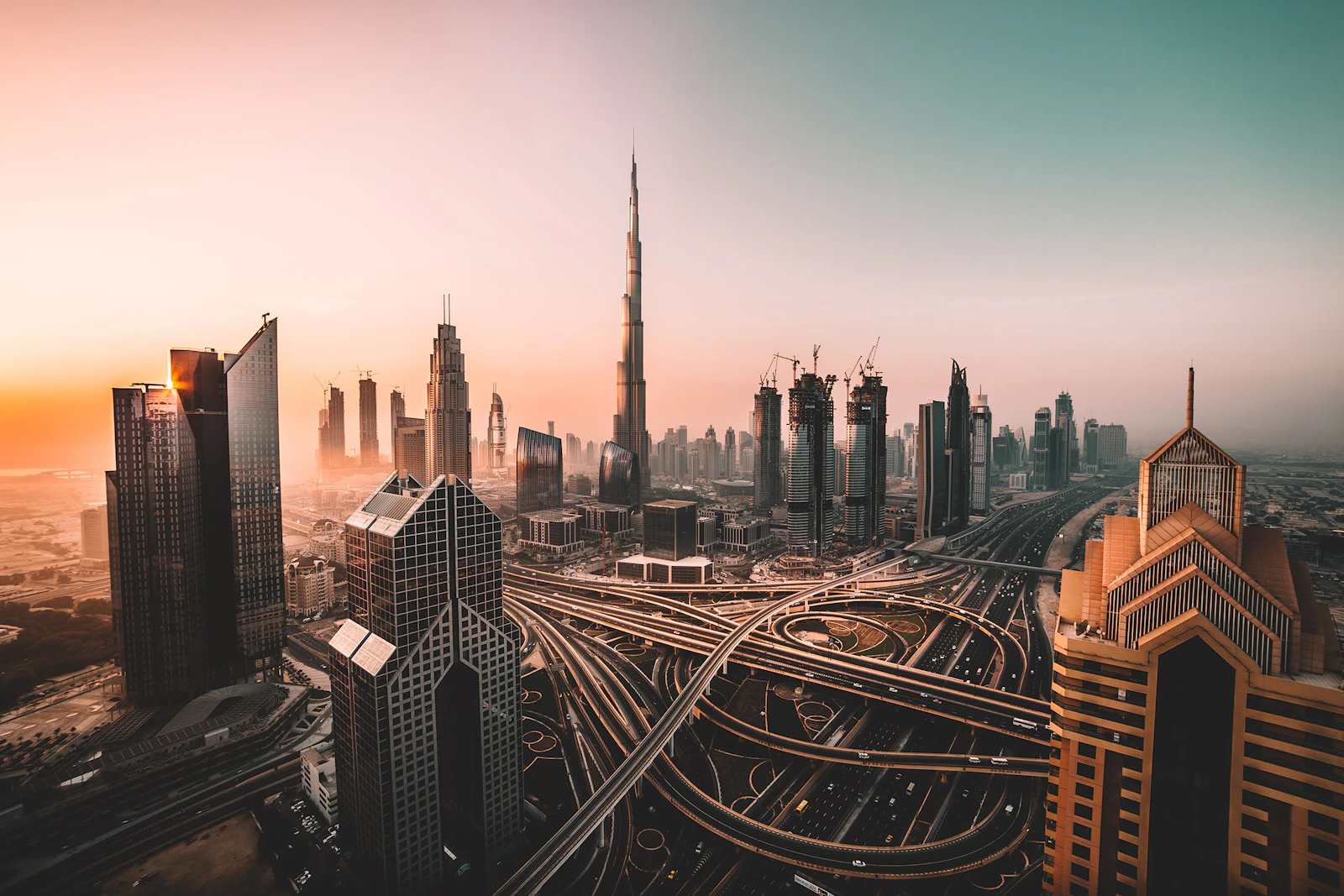
Dubai's skyline represents one of the world's most remarkable urban transformations. Abuja offers a very different, quieter kind of ambition.
1. Cost of Living
A mid-career professional earning AED 20,000/month in Dubai keeps all of it. The same professional earning ₦700,000 in Abuja pays income tax of up to 24% and significant generator running costs on top.
| Category | Abuja (USD approx) | Dubai (USD approx) | Winner |
|---|---|---|---|
| 1-bed flat, mid-range | $160–$320 | $1,360–$2,315 | Abuja |
| 1-bed flat, upscale | $385–$960 | $2,720–$4,900 | Abuja |
| Local meal | $1–$2.60 | $6.80–$13.60 | Abuja |
| Restaurant (mid-range) | $5–$13 | $22–$54 | Abuja |
| Monthly transport | $13–$32 | $82–$163 | Abuja |
| Income tax | Up to 24% | 0% | Dubai |
| Generator costs | $39–$115/month | None needed | Dubai |
Bottom line: Abuja is cheaper in absolute terms. Dubai is better financially for professionals who can access its higher salaries and zero-tax environment.
2. Infrastructure: A Stark Contrast
The infrastructure gap between Abuja and Dubai is significant and affects daily quality of life in concrete, measurable ways.
| Category | Abuja | Dubai |
|---|---|---|
| Electricity | Unreliable — 4–12 hrs grid/day, generator essential | 100% reliable 24/7 |
| Internet | Improving — fibre in some areas, 4G widespread | Excellent — among world's fastest |
| Roads | Good by Nigerian standards — planned city advantage | World-class highway network |
| Water | Unreliable — borehole/tanker often needed | Fully reliable |
| Public transport | Limited — car/ride-hail essential | Metro + buses + taxis |
| Healthcare | Private sector improving, public stretched | Excellent private (employer-provided) |
Abuja is Nigeria's best-planned and best-maintained city, but basic reliability of electricity, water, and road maintenance remains well below what UAE residents take for granted. This isn't a minor inconvenience — it affects daily productivity, health, and quality of life in concrete ways.
3. Lifestyle & Culture
Social Life
Abuja has a distinctly political culture — government officials, diplomats, civil servants, and the businesses that serve them define the city's social character. It's more conservative than Lagos, more planned, and has a genuine sense of civic space — Millennium Park, Jabi Lake, the wide boulevards of the FCT. The social scene is strong but smaller than Lagos.
Dubai is built for consumption and experience — restaurants, clubs, beaches, malls, desert safaris, and high-end hotels. The social scene is dominated by expats on short-term contracts, making it lively but transient. Deep roots are hard to put down.
Nigerian Community in Dubai
There are an estimated 60,000–100,000 Nigerians in Dubai — one of the largest African communities in the UAE. Nigerian food, churches, social networks, and cultural events are readily accessible. For Nigerians moving to Dubai, the community is well-established and supportive.
The Dubai–Nigeria Pipeline
A significant number of Nigerians use Dubai as a stepping stone — 3–5 years building savings and career capital in a tax-free environment, then returning to Nigeria with capital to invest in property or business. This strategy is increasingly common and financially sound if executed with discipline.
4. Career & Business
| Factor | Abuja | Dubai |
|---|---|---|
| Primary industries | Government, oil & gas, real estate, NGOs | Finance, trade, tourism, tech, logistics |
| Income tax | Up to 24% PAYE | Zero personal income tax |
| Business registration | More complex (CAC process) | Streamlined free zones available |
| Visa stability | Citizen rights (for Nigerians) | Employer-tied visa (for expats) |
| Salary levels (USD) | $500–$3,000/month most sectors | $2,000–$15,000+ for professionals |
5. Verdict — Which City Is Right for You?
- Choose Abuja if: You're Nigerian, your career is in government/oil/local business, you value proximity to family and roots, or you find Dubai's transience unappealing. Abuja's quality of life for upper-middle-class Nigerians is genuinely excellent.
- Choose Dubai if: You're seeking tax-free earnings, career advancement in international business or finance, reliable infrastructure, and are comfortable building a new social network in an expat environment. The financial upside is real and significant over a 3–7 year stint.
Read the full Abuja cost of living guide and Is Dubai Expensive? for detailed numbers on both cities.